
Kefalonia, Greece Area Information
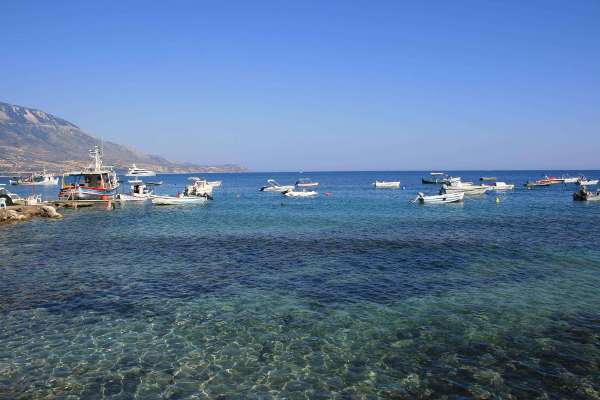
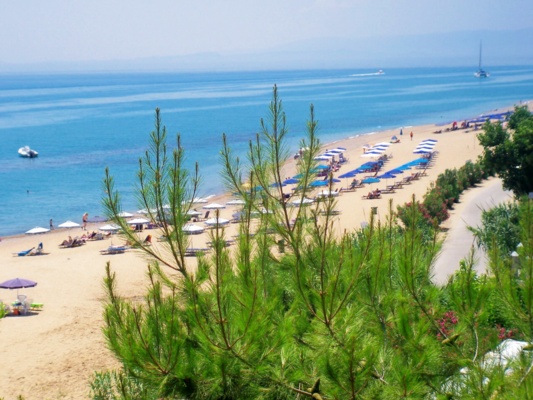
Captivating seaside villages lapped by warm, crystal clear waters, a backdrop of tall imposing mountains and some of the most beautiful sand and pebble beaches in all of Greece, it is with these charms that Kefalonia tempts the visitor.
No less than ten of Kefalonia's beaches proudly fly the coveted Blue Flag in recognition of their exceptional standards with the much photographed Myrtos Beach regularly selected as being amongst Europe's top five.
Other Blue Flags flutter alongside the beaches of Petani, Avithos, Lourdas, Skala and Katelios. Special mention must also be made of Antisami, renowned for its natural beauty and widely featured in the film of Captain Corelli's Mandolin.
Leaving these sun-dappled beaches behind you, head inland across the fertile lowlands to Kefalonia's highest point, Mount Ainos. Snow capped in winter and at 1628m taller than our own Ben Nevis, it is adesignated National Park, home to both a rare species of forest fir and the celebrated but elusive Kefalonian wild ponies.

The island's capital is Argostoli, and its environs are rich in interesting, historical features. At its heart is the town square, the venue for many fine cafes perfect for watching the world go by.
Take the coastal path out of Argostoli, along the Finari (lighthouse) road, pass the restored watermill, and you will be at Katavothres, site of the famous 'swallow holes'. These are a fascinating geological phenomenon where the sea disappears underground only to resurface some 30 kilometres away on the other side of the island at Karavolimnos.
Katelios on the south coast is a quiet, laid back, village renowned as one of the friendliest fishing ports on Kefalonia and home to several excellent seafood tavernas.
The surrounding area boasts some of the island's most unspoilt and dramatic beaches. One of these, Mounda, is only a fifteen minute walk away and is a major site for nesting turtles with part of the beach specifically set aside as a protected area.
Melissani cave and underground lake close to Karavolimnos are hugely impressive. Startlingly bright daylight pours in through a hole in the cavern roof, creating a pool of brilliant aquamarine water and a strange, almost ethereal atmosphere. Another fascinating geological feature can be found at the nearby Drogorati Cave where 100 steps lead down into cool, limestone caves and a wealth of spectacular stalagmites and stalactites.
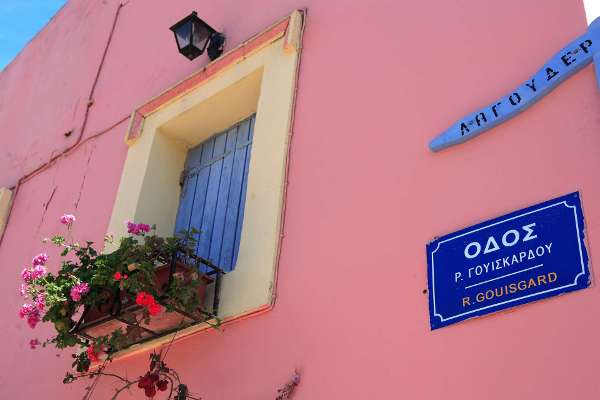
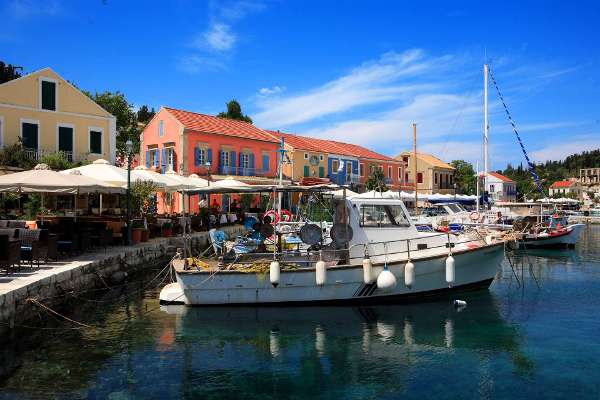
Erissos peninsula, the island's northernmost region, is home to Fiscardo, with its row of pastel coloured
Venetian-style houses lining the delightful quayside, many now converted into cafes and tavernas.
Near to Fiscardo there are a number of beautiful little coves to discover such as the tiny, isolated beaches at Alaties and Agia Jerusalem, where acres of glorious green firs combine irresistibly with the sound of
lapping turquoise-blue water and sweet birdsong.
Many of these lovely beaches remain uncrowded even at summer's height. The attractive seaside village of Assos oozes a placid charm. Its jumble of tiny houses boast a riot of colourful facades and there are spectacular views from its elevated Venetian castle.
Cuisine
A variety of tasty seafood, olives, honey, wild vegetables, many different fruits and surprisingly good wine ensure local menus are not lacking in their choice of dishes.
Saints' Days
As is common throughout the whole of Greece Saints' Days are numerous and widely celebrated. Gerasimos (1506-1579) is the patron saint of Kefalonia and many local people believe he performs miracles on August 15th (the anniversary of his death) as well as on his 'name' day, October 20th, which is celebrated with an elaborate procession.
Climate
The island enjoys a reliable Mediterranean climate with pleasantly warm days from May through to October and hot, dry summers with temperatures consistently in the high 30's.
Getting there
Gatwick and Manchester offer the widest choice of direct charter flights to Kefalonia however there are also charter services from Belfast, Birmingham and Bristol airports.