
Introduction
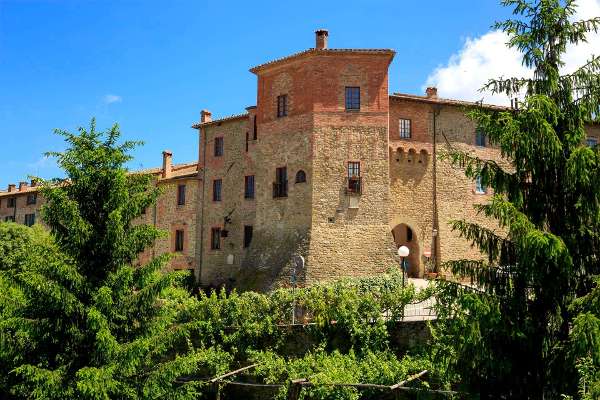
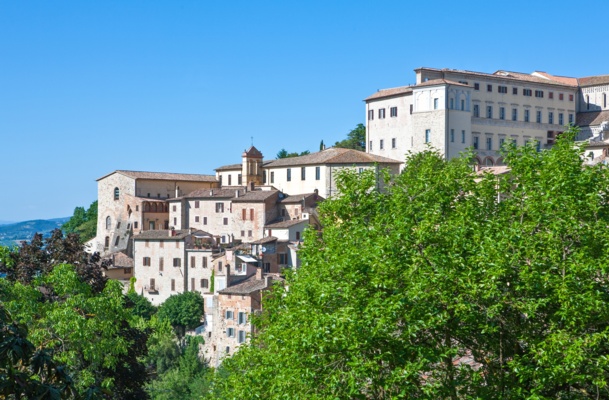
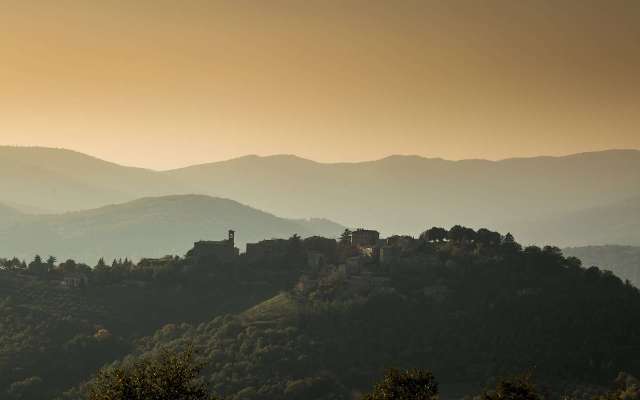
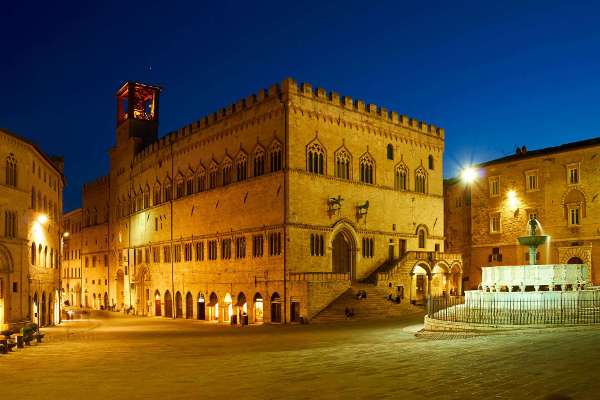
Whilst essentially rural, Umbria boasts important, historical centres to rival many in Italy. Perugia, its medieval capital, is noted worldwide for its magnificent architecture and has one of Italy's finest piazzas. Gubbio, dating back to Roman times, is a town rich in history – make your way to the Basilica Sant'Ubaldo at the very top of the town and you will be rewarded with a glorious panorama of the Apennine mountains.
Not to be missed is Assisi, a stirring sight as you approach across the plain. The wonderful Basilica, in honour of St Francis, attracts pilgrims from all over the world. The town rests on the side of Monte Subásio, part of the Apennine range. This protected territory of outstanding natural beauty, with its wealth of flora and fauna, is a paradise for nature lovers and walkers.
Finally, do not miss a visit to Lago di Trasimeno, the vast lake at the heart of this landlocked region. Take a boat trip out to one of the islands in the lake, hire a bike and cycle around it, pause for a snooze at one of the lake beaches, or simply enjoy a gelato on the waterfront.
Local Cuisine
Umbrian cuisine is hearty and simple with its own specialities demanding to be tasted. Around Lake Trasimeno, restaurants offer fresh carp from the lake, or ‘tegamaccio’, a rich eel and perch stew cooked in herbs and white wine.
Porchetta (pork cooked over a wood fire stuffed with minced liver, pepper, garlic and wild fennel) is a speciality served throughout Umbria. Black and white truffles are often used to flavour pasta and risotto. And olives are a key ingredient in the local cuisine, evidenced by the groves of olive trees seen throughout the region.
The most famous Umbrian wine is the Orvieto Classico, a dry white wine which, it has been said, was used as payment to architects working on the Duomo in Orvieto. Try, too, the vintage red wines from around Montefalco and Torgiano.
Festivities
There is plenty going on in Umbria throughout the summer, from village events to celebrate the 'vendemmia' (grape harvest) to renowned music festivals such as the Umbria Jazz Festival in Perugia. Whatever the event, music, fireworks, food and wine will play an important part!
Gubbio hosts two fun events in May; the ‘Ceri’ race and the ‘Palio della Balestra’, where competitors in historical costume use medieval fixed crossbows. Then in June, Spello’s streets are covered in flower artworks, whilst Anghiari re-enacts the Battle of Anghiari in 1440.
In July, a water version of the Palio takes place on and around Lake Trasimeno, with boats instead of horses. Just one of many events in August is the ‘Palio dei Terzieri’ Renaissance festival to Città della Pieve.
September brings the ‘Giostra della Quintana’ to Foligno, where the districts of the town compete on horseback, and chocolate lovers should definitely visit the annual ‘Eurochocolate’ exhibition in Perugia in October.
Climate
Spring is a wonderful time in Umbria when wild flowers carpet the meadows and the days become gradually warmer and longer. Summer is generally hot and sunny, often extending into September. Towards the end of September and into October, the air becomes crisper with the onset of autumn.